
The arrival of the spring equinox is a moment of balance, renewal, and transformation. This celestial event, which occurs around March 20th or 21st in the Northern Hemisphere, marks the day when daylight and nighttime are nearly equal in length. Throughout history, cultures across the globe have recognized this turning point with vibrant festivals, rituals, and traditions. Let’s take a journey through some of the most fascinating spring equinox celebrations worldwide.
1. Nowruz (Persian New Year)
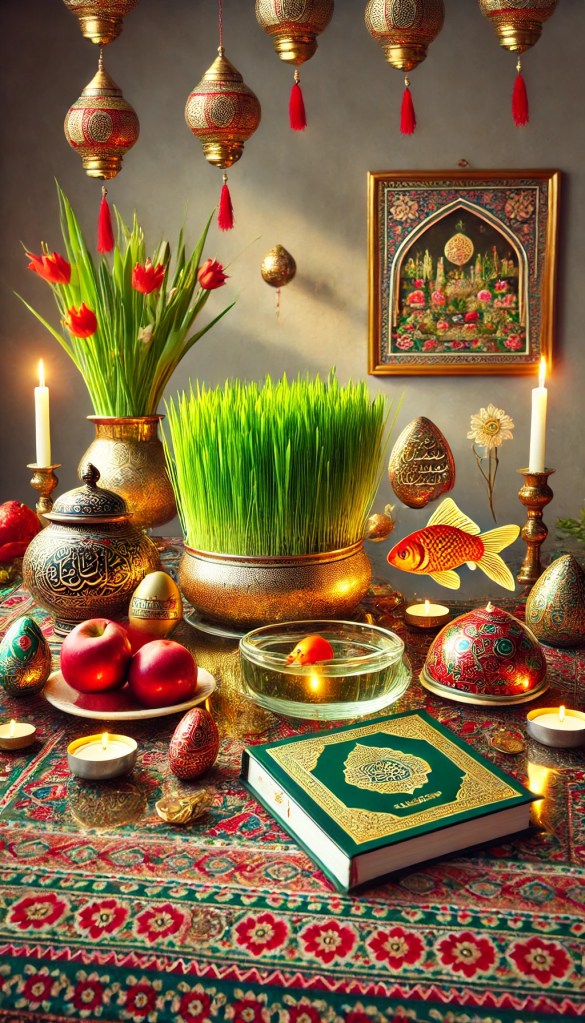
One of the most widely celebrated spring equinox festivals is Nowruz, the Persian New Year, which has been observed for over 3,000 years. Rooted in Zoroastrian traditions, Nowruz symbolizes the renewal of nature and the victory of light over darkness. Families prepare by deep-cleaning their homes (a practice known as khaneh tekani), setting up a ceremonial table called Haft-Seen, and visiting loved ones. The festivities culminate in Chaharshanbe Suri, a fire-jumping ritual meant to burn away negativity.
2. Holi (Festival of Colors) – India and Nepal
Holi, the famous Hindu festival, coincides closely with the equinox and celebrates the arrival of spring and the triumph of good over evil. People gather to throw brightly colored powders, dance, and enjoy festive foods. The festival originates from Hindu mythology, particularly the story of Prahlada’s victory over his tyrannical father, King Hiranyakashipu, with the help of Lord Vishnu.

3. Ostara (Pagan and Wiccan Traditions)
Wiccans and modern Pagans observe the equinox with Ostara, named after the Germanic goddess of dawn and fertility. This festival is all about rebirth, fertility, and balance. Symbols such as eggs, rabbits, and blooming flowers reflect the season’s themes of renewal and growth. Many traditions, including painting eggs and welcoming the sun, have similarities to modern Easter celebrations.

4. Higan (Japan)
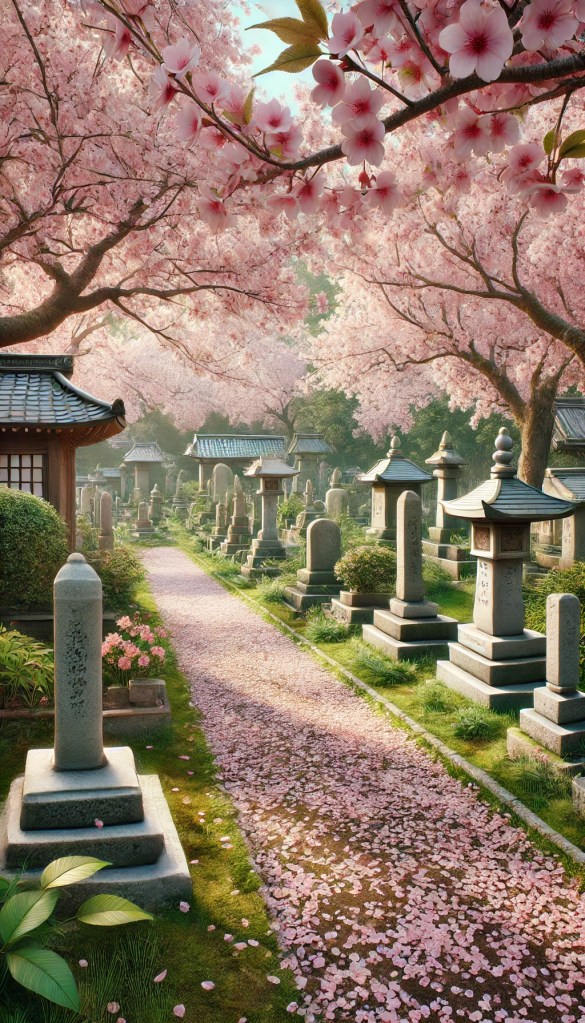
In Japan, Higan is a Buddhist observance that coincides with both the spring and autumn equinoxes. It is a time for reflection, gratitude, and honoring ancestors. Many people visit gravesites to clean the tombstones of their loved ones and offer flowers. The equinox is also seen as a moment when the boundary between the living and the dead is at its thinnest, allowing for spiritual connection.
5. Chichen Itza Equinox (Mexico – Mayan Culture)
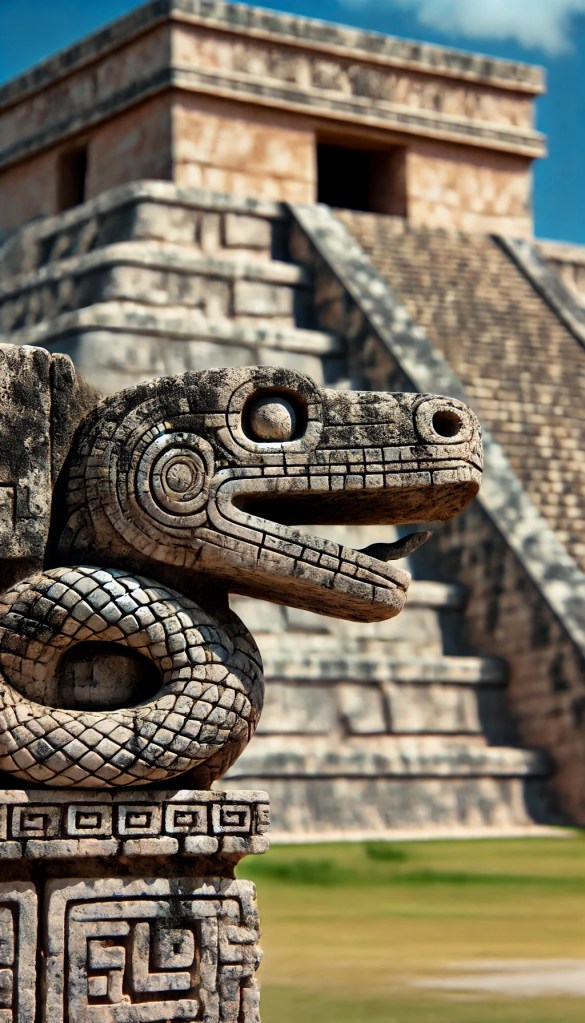
The spring equinox brings a stunning visual phenomenon to the ancient Mayan pyramid of El Castillo in Chichen Itza. As the sun sets, light and shadow align to create the illusion of a serpent slithering down the pyramid steps. This event is believed to symbolize the return of Kukulkan, a feathered serpent deity who brings prosperity and abundance for the coming season.
6. Shunbun no Hi (Japan’s Vernal Equinox Day)
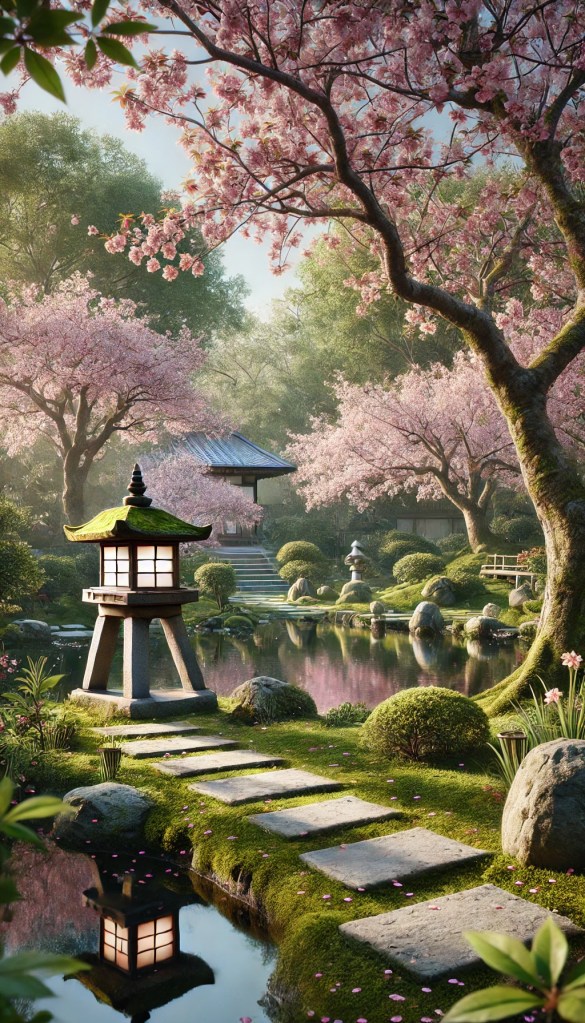
Japan’s Shunbun no Hi is a national holiday dedicated to nature appreciation and familial bonds. Many people take the day to enjoy the beauty of spring, engage in gardening, or visit shrines. It’s a time of renewal and transition, reflecting the harmony between humans and nature.
7. Balinese New Year (Nyepi – Indonesia)
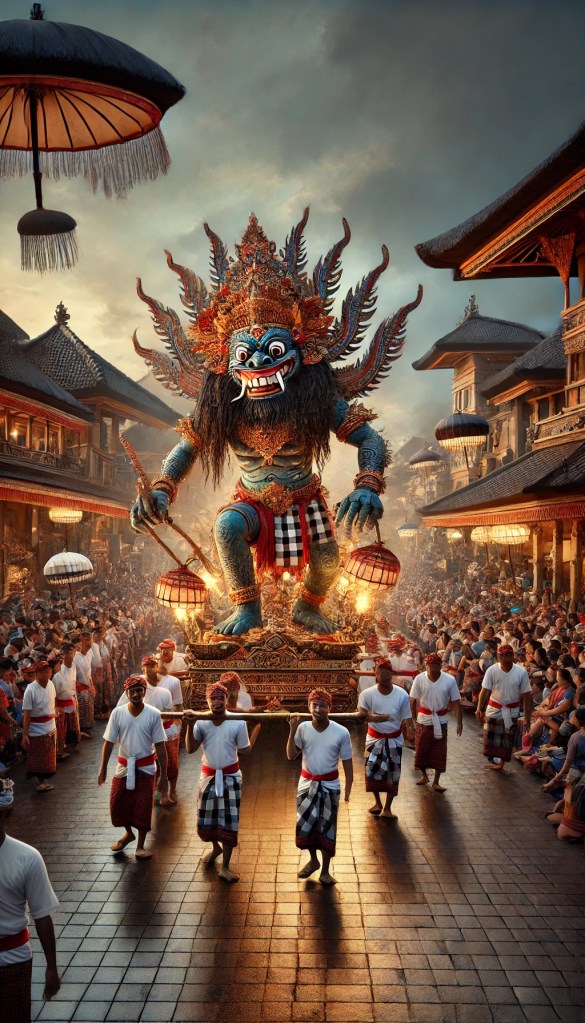
In Bali, Nyepi, the Balinese New Year, falls close to the equinox and is a day of complete silence, meditation, and self-reflection. Unlike other New Year celebrations, Nyepi is observed with a full day of stillness—no work, travel, or entertainment. Leading up to Nyepi, the Ogoh-Ogoh parade takes place, featuring giant demonic effigies meant to ward off evil spirits.
8. Stonehenge Gatherings (United Kingdom)
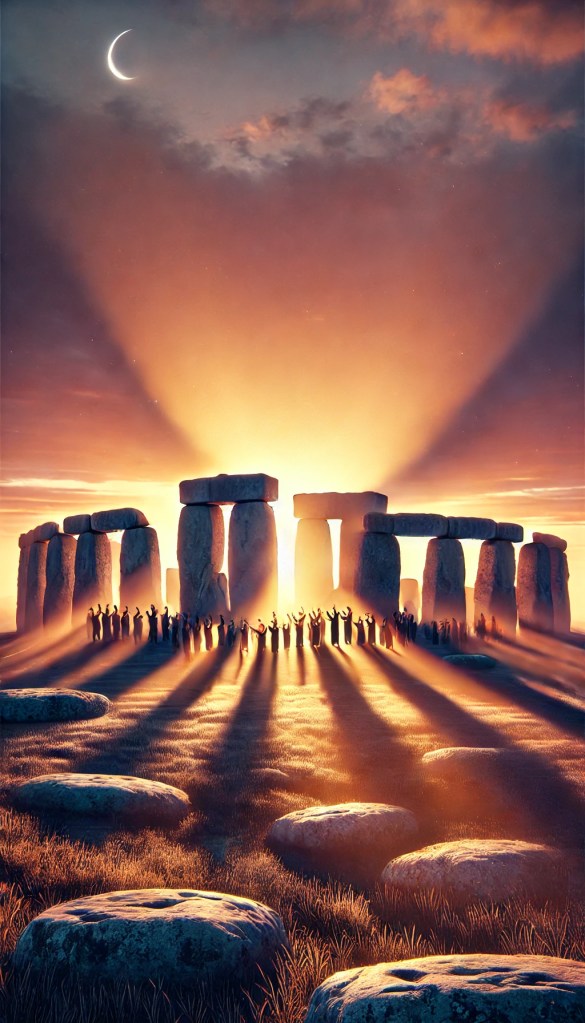
Druids, Pagans, and spiritual seekers gather at Stonehenge to witness the sunrise on the equinox. This ancient site aligns with celestial movements, and many believe it was designed to mark seasonal changes. The equinox gatherings at Stonehenge continue to draw people who celebrate the balance between light and dark.
9. The Fallas Festival (Spain)
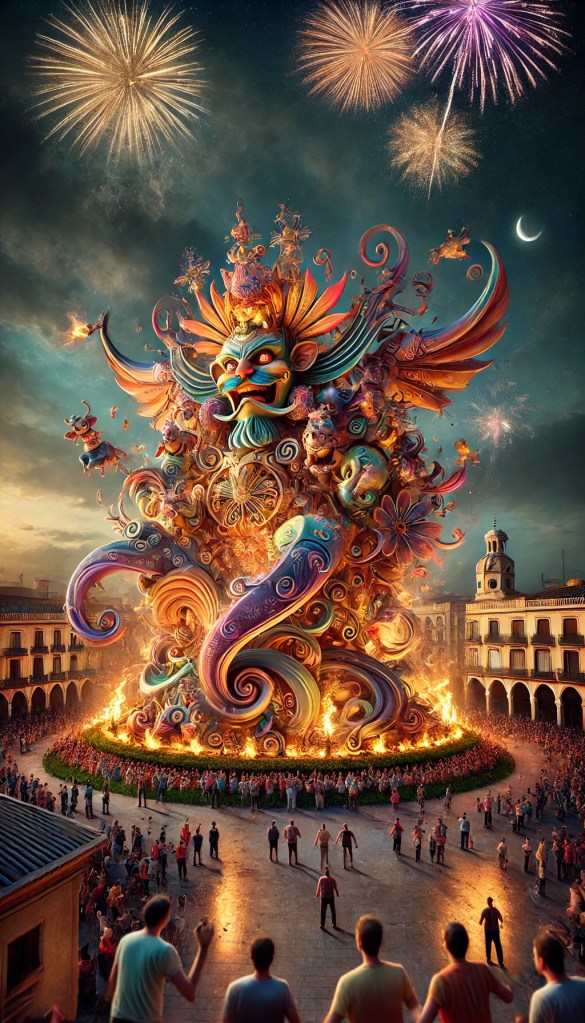
Though not directly tied to the equinox, Spain’s Fallas Festival in Valencia signals the end of winter and the beginning of spring. Gigantic papier-mâché effigies are paraded through the streets and then spectacularly burned in massive bonfires, symbolizing purification and renewal.
A Universal Celebration of Renewal
While these traditions are diverse in their practices, they all share a central theme—honoring nature’s cycles, welcoming renewal, and celebrating life. Whether through colorful festivals, solemn rituals, or spiritual gatherings, the spring equinox remains a powerful reminder of balance and rebirth.
How do you celebrate the arrival of spring? Share your traditions and experiences in the comments!
Thanks for stopping by!
Check out our Ostara (spring equinox) Collection.



 Celebrations Journal
Leave a comment