Imagine an entire island—bustling streets, vibrant markets, and the usual hum of daily life—falling completely silent for 24 hours. That’s Nyepi, the Balinese New Year in Indonesia, a truly one-of-a-kind celebration that’s as introspective as it is extraordinary.
Unlike many New Year festivals filled with loud parties and fireworks, Nyepi is marked by silence, fasting, and self-reflection. However, that doesn’t mean it’s without excitement—just the opposite! In the days leading up to Nyepi, Bali transforms into a carnival of colors, noise, and mystical rituals. Let’s take a closer look at Nyepi, its fascinating traditions, and how it invites everyone, locals and tourists alike, to embrace both celebration and calm.
What Is Nyepi?
Nyepi, also known as the Day of Silence, is part of the Saka New Year in the Balinese Hindu calendar. It typically falls in March, following the spring equinox. The festival is deeply rooted in Hindu philosophy, particularly the idea of cleansing the world of evil forces to create balance and harmony.
The Balinese believe that Nyepi is not only a time for personal reflection but also a way to trick malevolent spirits into thinking the island is uninhabited, ensuring they leave Bali in peace for the year ahead.
While the actual Day of Silence is the centerpiece, Nyepi is surrounded by several days of colorful and powerful rituals. Let’s break it down step by step.

The Rituals Leading Up to Nyepi
1. Melasti (Purification Ceremony)
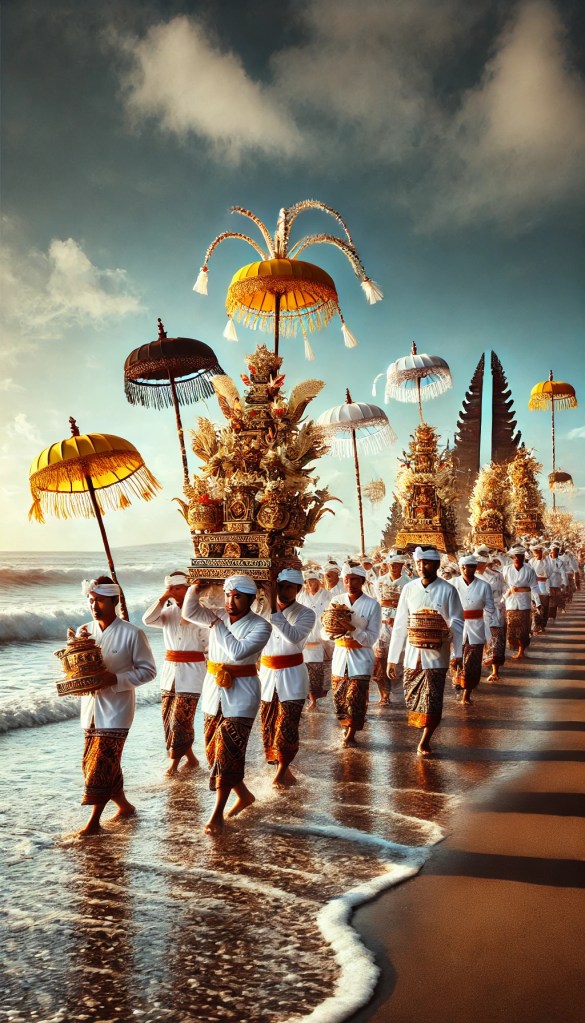
A few days before Nyepi, villages across Bali hold the Melasti ceremony, a ritual to cleanse sacred objects and purify the mind and soul. Processions head to the sea, carrying temple artifacts and offerings to be ritually bathed in the ocean.
Melasti represents the cleansing of bad karma and is a visual feast of colorful traditional attire, intricately decorated umbrellas, and offerings.
2. Tawur Kesanga (Ogoh-Ogoh Parade)
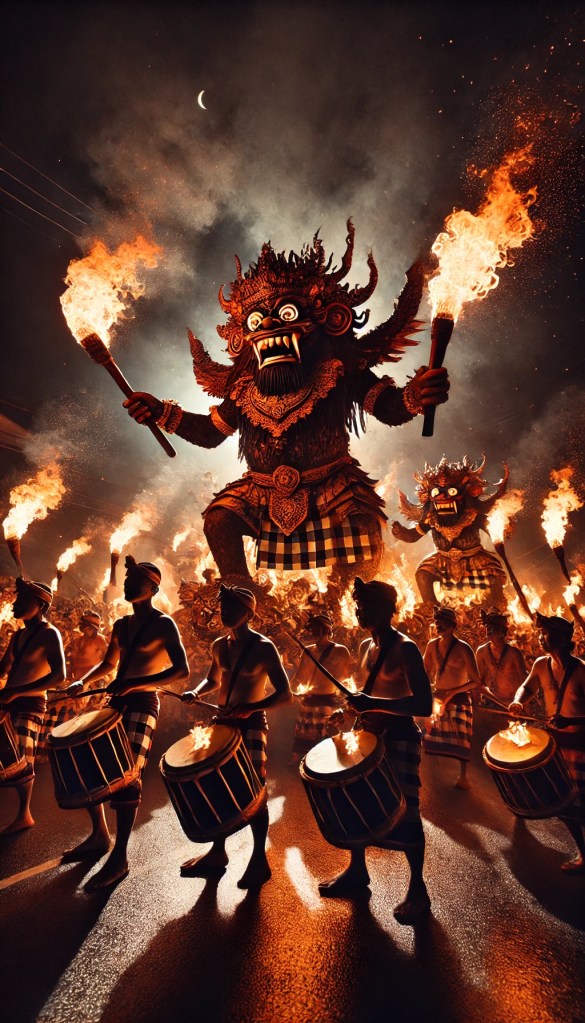
On Nyepi Eve, Bali erupts into a night of controlled chaos with the Ogoh-Ogoh parade. Villagers create massive, grotesque statues called Ogoh-Ogoh, representing demons and evil spirits. These towering, brightly painted statues can be several meters tall, often depicting mythical creatures, monsters, or symbolic figures.
The parade involves loud gamelan music, chanting, and the carrying of Ogoh-Ogoh through the streets. At the end of the night, the statues are burned, symbolizing the destruction of negative forces and cleansing the island for the New Year.
3. The Day of Silence (Nyepi)
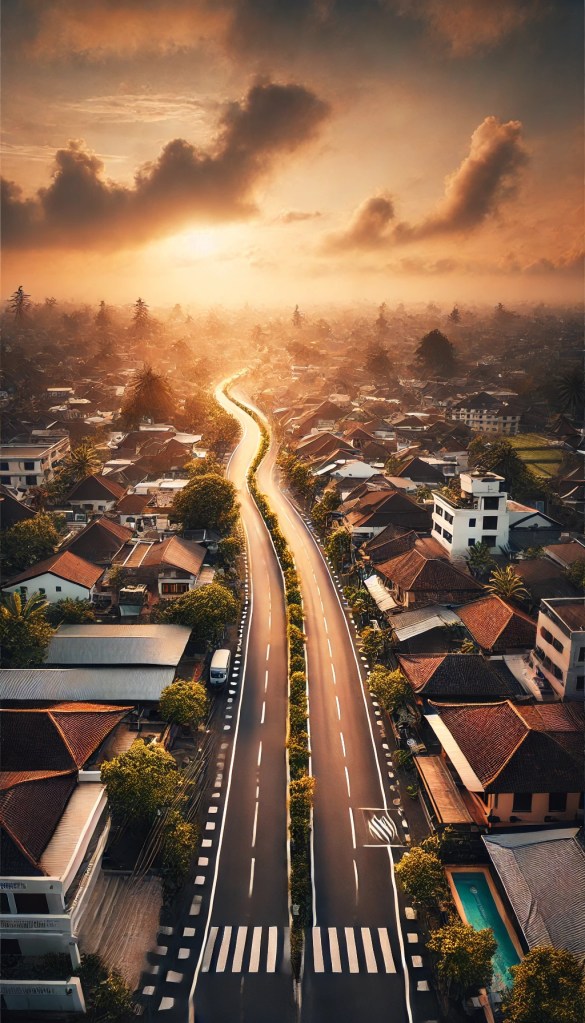
After the excitement of the Ogoh-Ogoh parade, Bali enters a complete hush for Nyepi. From 6 AM on the day of Nyepi to 6 AM the following day, the entire island shuts down. Here are the key rules observed during Nyepi:
- Amati Geni (No fire): No lighting fires, and this includes no electricity at night.
- Amati Karya (No work): A day for rest and self-reflection.
- Amati Lelungan (No travel): Roads are closed, and everyone stays indoors.
- Amati Lelanguan (No entertainment): A time to abstain from indulgence and focus inward.
Even the airport closes for the day, making Bali one of the few places in the world where an international airport ceases operations for a religious observance. Tourists are asked to respect the rules, remaining within their accommodations and minimizing noise.
The silence creates a profound atmosphere, allowing for spiritual connection, environmental healing, and a rare moment of peace in our often chaotic world.
4. Ngembak Geni (Breaking the Silence)
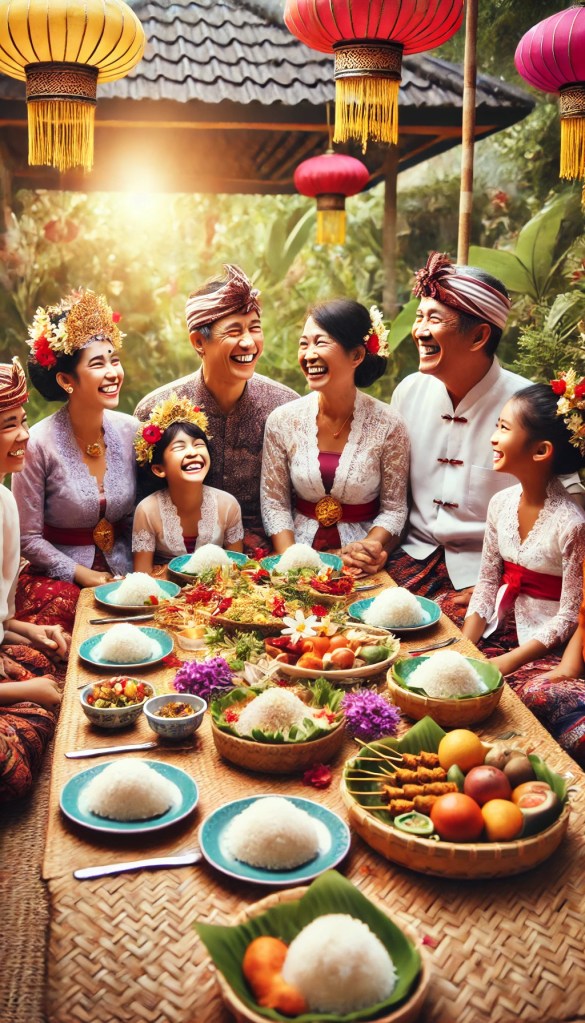
The day after Nyepi, life resumes with a renewed sense of energy and positivity. Families and friends gather to forgive one another, mend relationships, and start the year afresh. It’s a time for joy and celebration, with people visiting neighbors and sharing food and blessings.
The Spiritual Significance of Nyepi
Nyepi is deeply symbolic, focusing on balance, introspection, and renewal. Each element of the festival serves a purpose:
- Melasti washes away spiritual impurities.
- The Ogoh-Ogoh parade exorcises negative forces.
- Nyepi’s silence fosters self-awareness, gratitude, and harmony with the universe.
Nyepi aligns with the Hindu concept of Tri Hita Karana, which emphasizes harmony between humans, nature, and the divine. By pausing worldly activity, the Balinese reconnect with this sacred balance.
For modern participants, Nyepi offers a rare opportunity to reflect on their own lives and relationships with the Earth—something many find increasingly valuable in our fast-paced, noisy world.

Tips for Tourists During Nyepi
If you’re visiting Bali during Nyepi, here’s how to enjoy the experience while respecting local customs:
- Plan Ahead: Stock up on food, water, and anything else you might need, as shops and restaurants will be closed.
- Stay Indoors: Tourists must remain within their hotels or accommodations. Many resorts offer special programs to help you experience the reflective spirit of Nyepi.
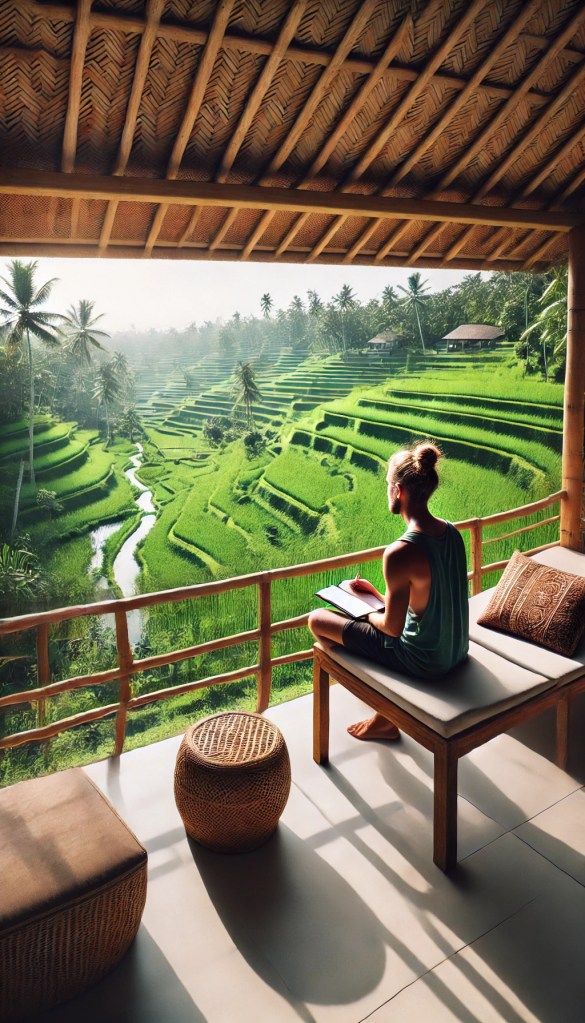
- Embrace the Silence: Use the day for meditation, journaling, or simply relaxing—it’s a chance to disconnect from the digital world and connect with yourself.
- Respect the Rules: Avoid loud activities or using bright lights at night. Being mindful is part of the experience.
Why Nyepi Matters
In a world where noise and busyness dominate, Nyepi stands out as a celebration that encourages pause and reflection. It’s a reminder that New Year’s isn’t just about looking outward with resolutions and plans—it’s also about looking inward, taking stock of the past, and creating space for renewal.
For Bali, Nyepi is more than a cultural tradition—it’s a communal cleansing, a way for the island to recharge both spiritually and environmentally. The day’s silence even has tangible benefits: reduced pollution, clearer skies, and a sense of peace that lingers long after.

Final Thoughts
Nyepi isn’t just a New Year celebration—it’s an invitation to slow down, reflect, and embrace balance. Whether you’re a visitor or a local, the day’s silence provides a powerful opportunity to reconnect with yourself and the world around you.
So, if you ever find yourself in Bali during Nyepi, don’t worry about the “closed” island—embrace the stillness, soak in the rituals, and let this beautiful tradition remind you of the magic of quiet renewal.
Selamat Hari Raya Nyepi! (Happy Nyepi Day!)
What do you think about Nyepi? Would you enjoy a day of silence and reflection? Let me know in the comments below!






 Celebrations Journal
Leave a comment